Had a Little Rooster
A simple song-tale about different animals.
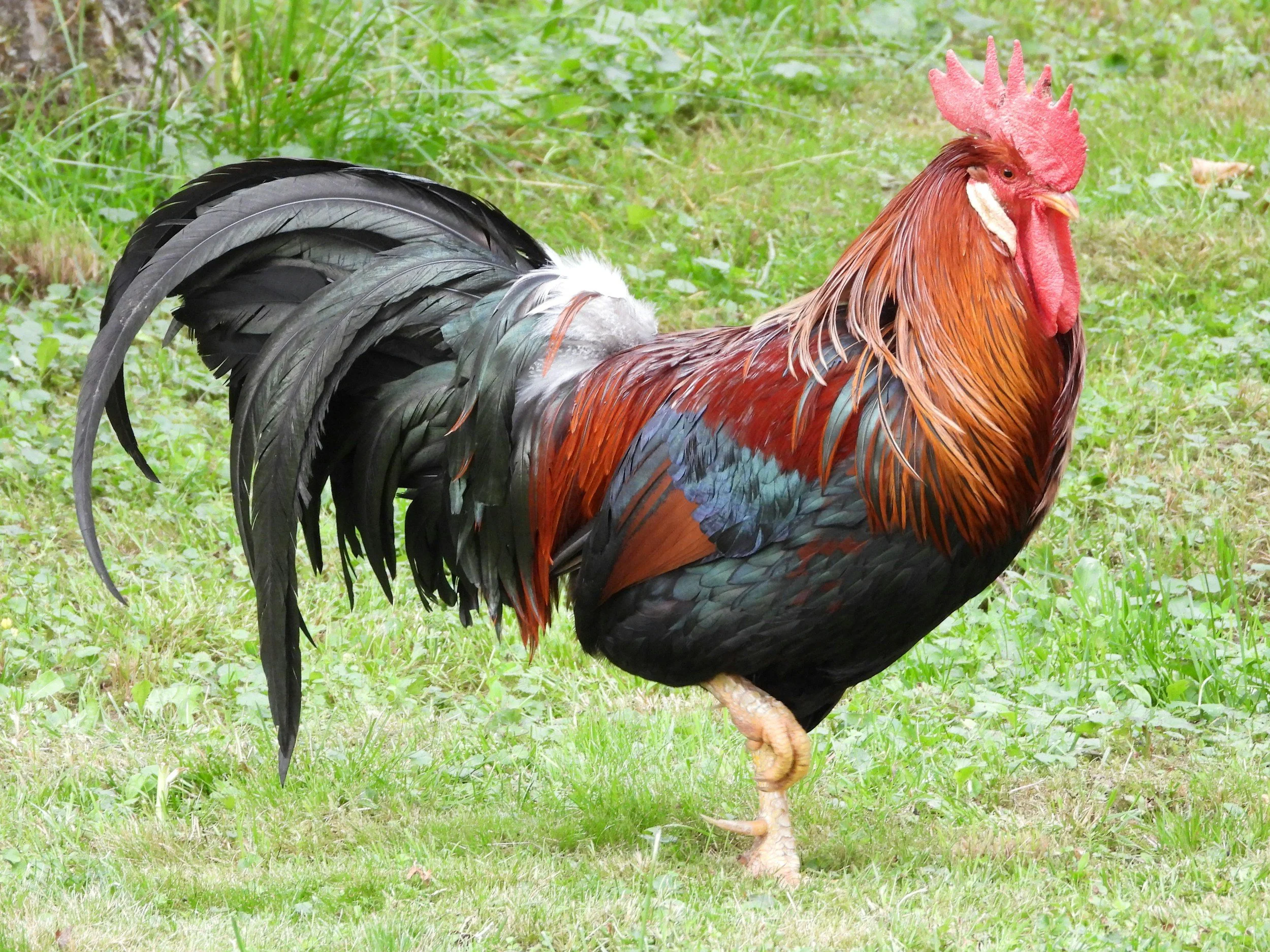
“Had a Little Rooster” is a traditional cumulative folk song in which new farm animals and their sounds are introduced one at a time. With each new verse, singers return to the animals that came before, causing the song to grow longer and more challenging as it continues. The playful animal sounds, repetition, and predictable structure make the song especially engaging for young children.
The song belongs to a large family of traditional songs sometimes known as “The Farmyard Song,” “The Barnyard Song,” “I Had a Little Rooster,” and other titles. Versions have been collected on both sides of the Atlantic, and related forms can be traced as far back as a Scottish manuscript from the 1780s.
The song became part of American folk tradition as well, with many variations developing through oral transmission. For example, Smithsonian Folkways documents a performance of “I Had a Little Rooster” by the Child Development Group of Mississippi recorded in 1967.
Music educator John Feierabend collected and adapted the song as part of his work preserving traditional children’s folk repertoire. His Had a Little Rooster picture book, illustrated by Jamie-Lynn Morrow, was published as part of the First Steps in Music folk-song picture-book series. GIA describes the song as having been shared for more than 100 years and specifically highlights its cumulative structure and memory challenge.
Lyrics
Verse 1 — Rooster
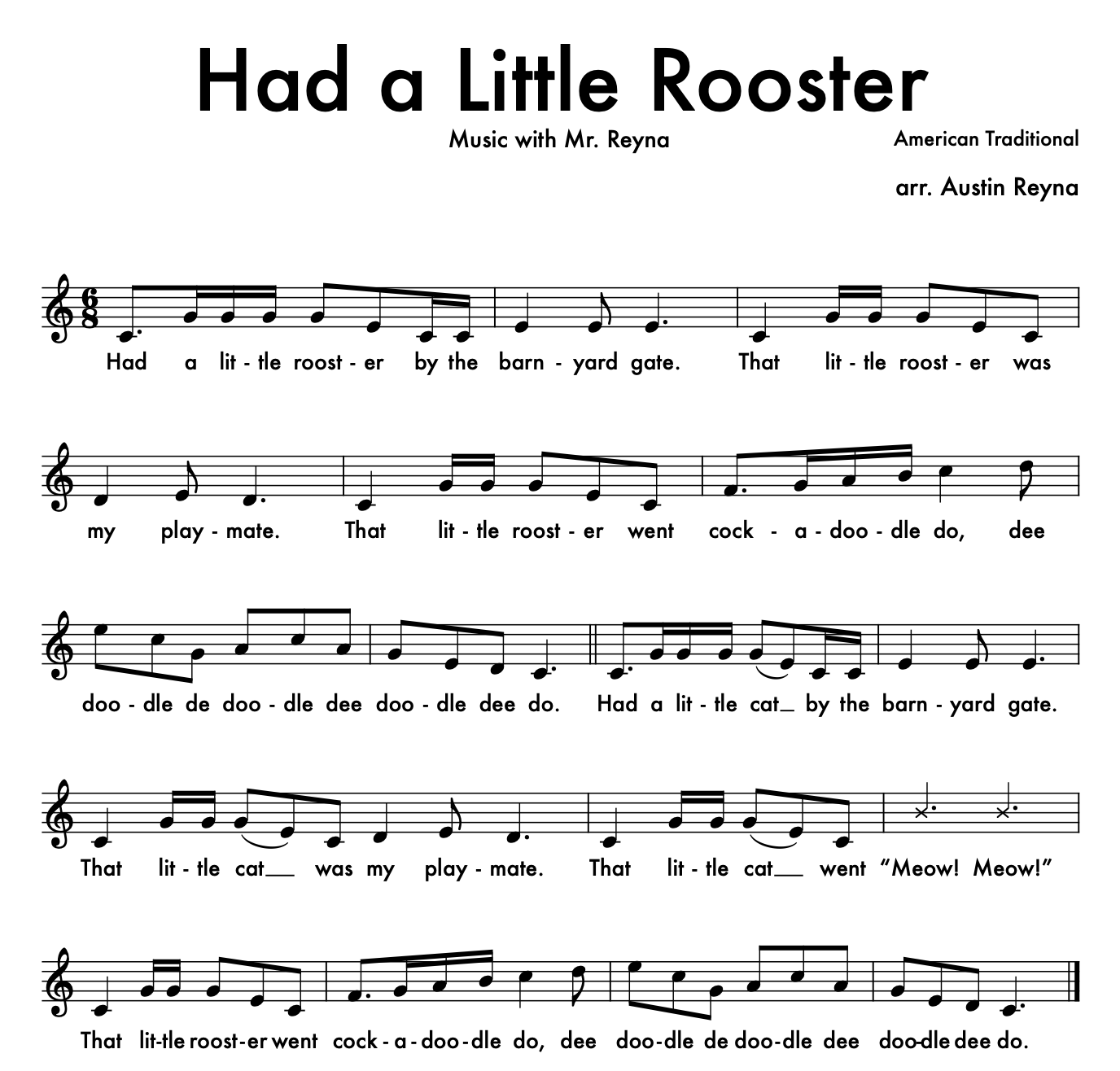
Had a little rooster by the barnyard gate.
That little rooster was my playmate.
That little rooster went cock-a-doodle doo,
Dee doodle-dee doodle-dee doodle-dee doo.
Verse 2 — Cat
Had a little cat by the barnyard gate.
That little cat was my playmate.
That little cat went “Meow! Meow!”
That little rooster went cock-a-doodle doo,
Dee doodle-dee doodle-dee doodle-dee doo.
Verse 3 — Dog
Had a little dog by the barnyard gate.
That little dog was my playmate.
That little dog went “Ruff! Ruff!”
That little cat went “Meow! Meow!”
That little rooster went cock-a-doodle doo,
Dee doodle-dee doodle-dee doodle-dee doo.
Verse 4 — Duck
Had a little duck by the barnyard gate.
That little duck was my playmate.
That little duck went “Quack! Quack!”
That little dog went “Ruff! Ruff!”
That little cat went “Meow! Meow!”
That little rooster went cock-a-doodle doo,
Dee doodle-dee doodle-dee doodle-dee doo.
Verse 5 — Pig
Had a little pig by the barnyard gate.
That little pig was my playmate.
That little pig went “Oink! Oink!”
That little duck went “Quack! Quack!”
That little dog went “Ruff! Ruff!”
That little cat went “Meow! Meow!”
That little rooster went cock-a-doodle doo,
Dee doodle-dee doodle-dee doodle-dee doo.
Verse 6 — Sheep
Had a little sheep by the barnyard gate.
That little sheep was my playmate.
That little sheep went “Baa! Baa!”
That little pig went “Oink! Oink!”
That little duck went “Quack! Quack!”
That little dog went “Ruff! Ruff!”
That little cat went “Meow! Meow!”
That little rooster went cock-a-doodle doo,
Dee doodle-dee doodle-dee doodle-dee doo.
Verse 7 — Cow
Had a little cow by the barnyard gate.
That little cow was my playmate.
That little cow went “Moo! Moo!”
That little sheep went “Baa! Baa!”
That little pig went “Oink! Oink!”
That little duck went “Quack! Quack!”
That little dog went “Ruff! Ruff!”
That little cat went “Meow! Meow!”
That little rooster went cock-a-doodle doo,
Dee doodle-dee doodle-dee doodle-dee doo.
Verse 8 — Horse
Had a little horse by the barnyard gate.
That little horse was my playmate.
That little horse went “Neigh! Neigh!”
That little cow went “Moo! Moo!”
That little sheep went “Baa! Baa!”
That little pig went “Oink! Oink!”
That little duck went “Quack! Quack!”
That little dog went “Ruff! Ruff!”
That little cat went “Meow! Meow!”
That little rooster went cock-a-doodle doo,
Dee doodle-dee doodle-dee doodle-dee doo.
Lesson Ideas and Extensions
Songtale / Musical Storytelling
Sing the song for students without initially asking them to sing along. Have them listen and experience the story. On subsequent repetitions, invite them to join the increasingly familiar animal sounds. This fits especially well with the songtale approach in Feierabend’s First Steps in Music.
Cumulative Memory Challenge
Before each new verse, ask students to predict which animals they will have to remember. As the song grows, students must retain the order of events and retrieve increasingly long sequences from memory. That makes the cumulative structure itself part of the activity.
Animal Sound Vocal Exploration
Before singing, explore different ways the animals might sound. Students can experiment with high/low, loud/soft, long/short, smooth/bouncy, etc. You could ask, “Can your rooster crow with a high voice? Can it crow with a low voice?” This turns the silly animal sounds into purposeful vocal exploration.
Student-Created Verses
Let students suggest additional animals. They could stay with farm animals or deliberately make the song increasingly ridiculous: “I had a little elephant…” Students then invent an appropriate sound and have to remember where the new animal fits in the cumulative sequence.
Instrument Sound Effects
Assign an unpitched percussion instrument to each animal. For example, rhythm sticks could represent one animal, a guiro another, a woodblock another, etc. Students play only when their animal appears. This develops focused listening, impulse control, and ensemble awareness.
Timbre Matching
Instead of assigning instruments yourself, show students several classroom instruments and ask, “Which instrument sounds most like the rooster? Why?” Students have to connect the characteristics of a sound with an instrumental timbre and justify their choice.
Sequence the Story
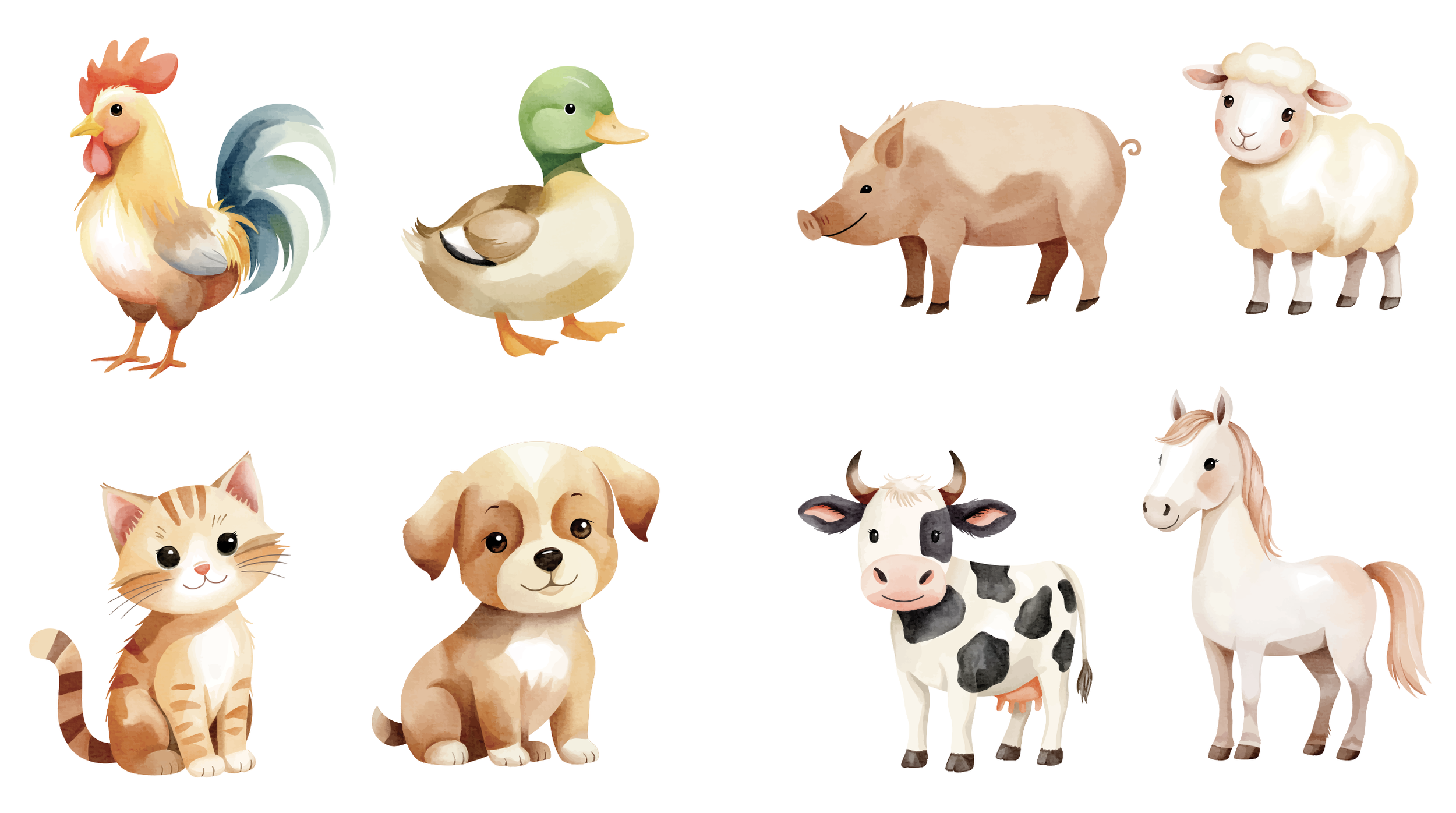
Give students picture cards of the animals after hearing the song. In partners or small groups, students put the animals in the order in which they appeared. Then sing again to check their work.
Movement
Give each animal a characteristic movement. Each time that animal’s sound returns, students perform its movement. As the song accumulates, the movement sequence accumulates too.
Form / Musical Structure
With older elementary students, use the song as an accessible introduction to cumulative form. Ask what stays the same, what changes, and why every verse becomes longer. Students could create a visual diagram showing how the music grows.
Resources
More from the Blog