Hungarian Dance No. 5
Move and express different emotions and tempi with this exciting movement video!
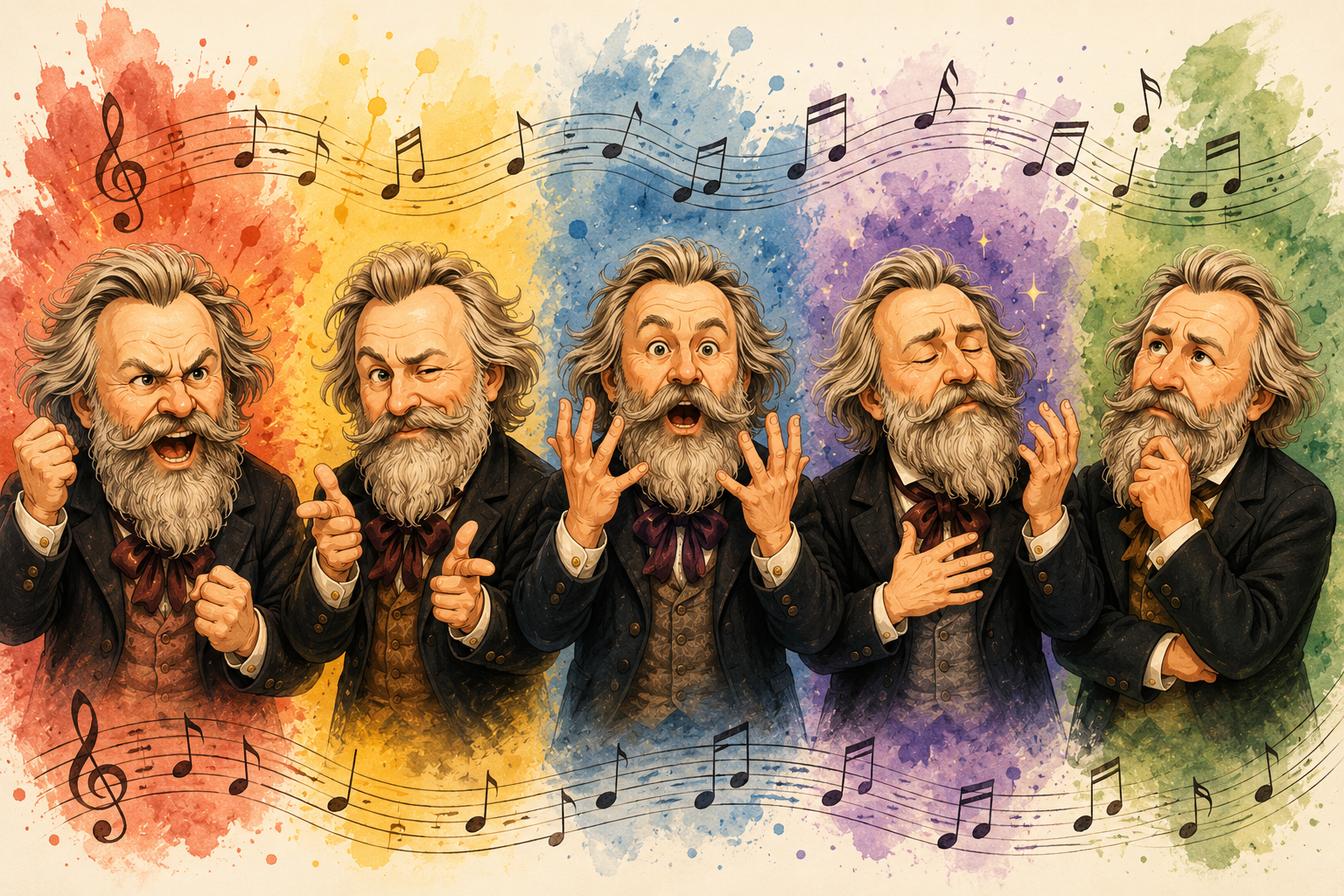
Hungarian Dance No. 5 is one of the most famous pieces by Johannes Brahms. Inspired by the lively style of Hungarian dance music, this piece is full of dramatic contrasts, sudden tempo changes, and bold rhythmic energy. At different moments, the music may feel fiery, graceful, mysterious, playful, or exciting, making it a wonderful piece for exploring musical expression.
This activity invites students to move along with the music while listening for the many emotions they hear. You might ask, “What emotions do you hear in the music?” or “How does the music make your body want to move?” Because the character changes so often, students can explore a wide range of expressive movement, from sharp and dramatic gestures to smooth, flowing motions.
Teaching Ideas
Hungarian Dance No. 5 is a fantastic way to teach several key musical elements: tempo, expression, articulation, same/different, form, and more. I suggest starting with the movement video on YouTube, then explore the song more by using the free mp3 download in the resources section. Having students listen intently to the song and making their own decisions will get their brains more engaged than just simply following a video. Here are some ideas to further explore this song with students.
Listening and movement ideas
Emotion Map
Ask students to listen for changes in emotion throughout the piece. When the music changes, students change their facial expression, body shape, or movement quality. You can use words like excited, sneaky, dramatic, graceful, surprised, or powerful.
Move the Tempo Changes
This piece is great for noticing sudden changes in speed. Students can move quickly when the music speeds up, freeze or slow down when the music pulls back, and show big dramatic poses during strong musical moments.
Sharp vs. Smooth Movement (articulation)
Have students compare different kinds of movement. Some sections may inspire sharp, accented gestures, while others may feel more flowing or elegant. This is a nice way to connect music to movement vocabulary. See this additional lesson plan from KET Education.
Conductor Game
Let one student be the “conductor” and lead the class with big gestures that match the music. When the music gets louder, faster, softer, slower, or more dramatic, the conductor changes their movement and the class matches them.
Identifying Sections with movement
Have the class identify different sectiosn of the song (or pre-identify them yourself if necessary) and split the class up into groups, with each group tasked with moving according to the element of the section (speed, expression, articulation etc). EAch group freezes when it’s not their section.
Listening focus ideas
What Changed?
Pause after short sections and ask: “What changed in the music?” Students might notice tempo, dynamics, mood, instrumentation, rhythm, or energy. Have them write their ideas down or do a turn-and-talk.
Emotion Cards
Give students cards with emotion words or faces. As they listen, they hold up the card that best matches what they hear. This works well with younger students because they can respond without needing a lot of musical vocabulary.
Same Melody, Different Feeling
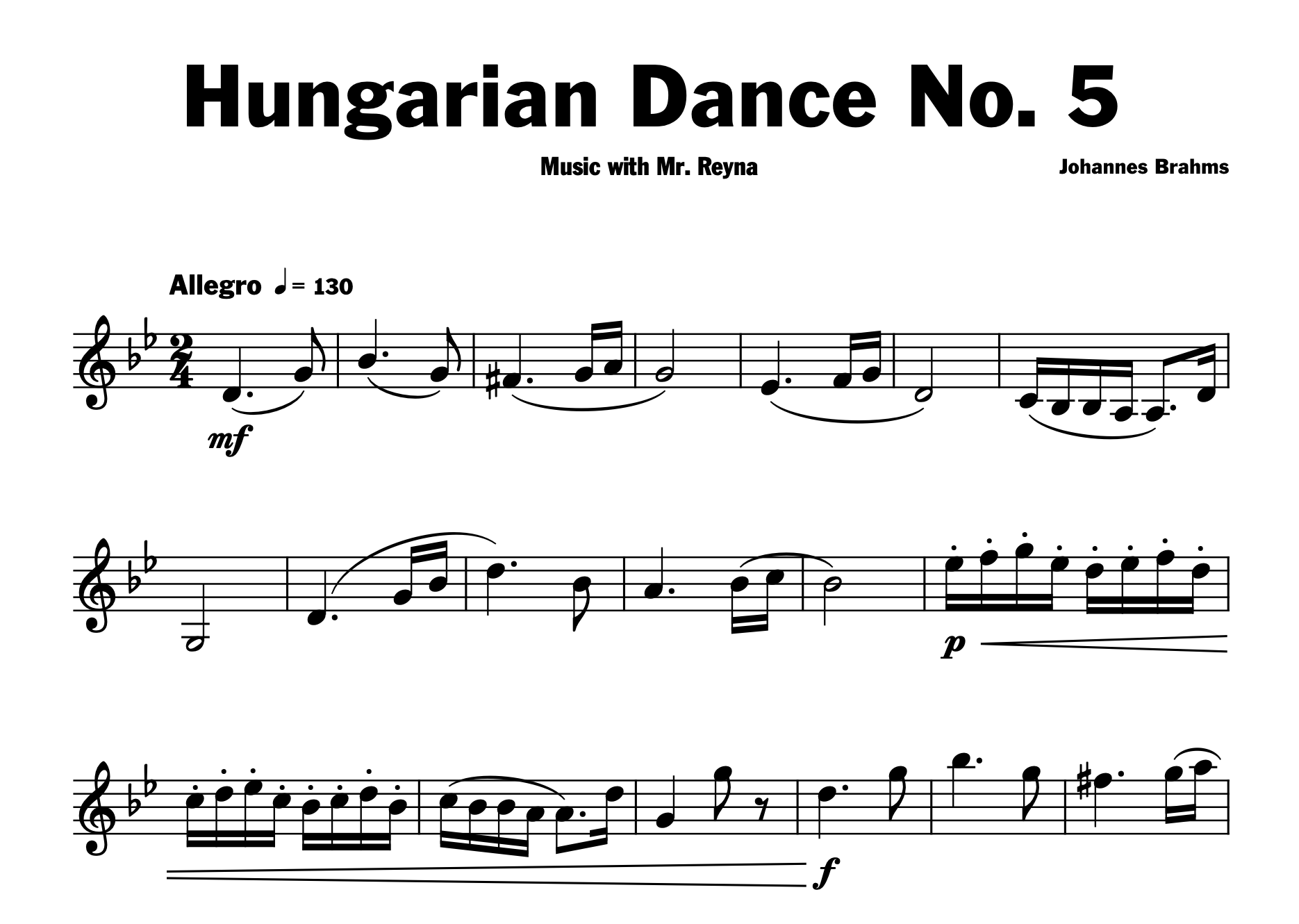
If you’re comfortable with it, use the piano or melody score linked below and play it on the piano. Try changing up different sections: playing it in a different key or mode (major vs. minor), changing tempi, articulation. etc. Have students respond by using the various methods listed above.
Story Listening
Ask students to imagine the music as a scene from a movie or cartoon. What is happening? Who are the characters? What changes when the music suddenly speeds up or slows down?
Resources
*This is a public domain recording from the Internet Archive. The recording orchestra and conductor are unknown.
External Resources
*These scores are adapted from publicly available scores on Musescore.com